
THE FIRST STEP TO A STRONG DREAM HOME
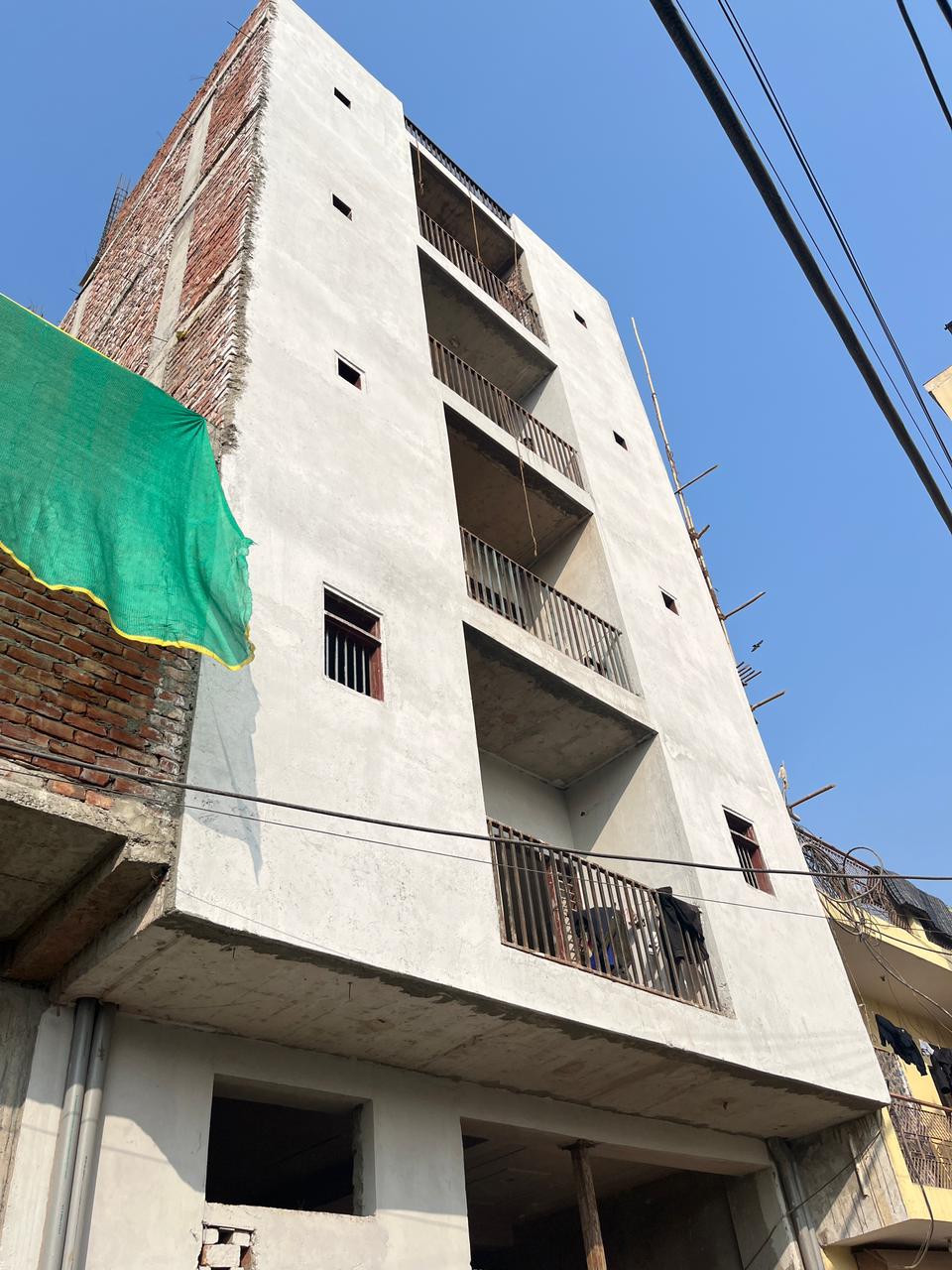
When we imagine building our dream home, we often think about beautiful rooms, modern designs, and long-lasting comfort. The real strength of any house begins deep inside the ground. This hidden but essential part is called the footing. Footing is the foundation of the entire load of a building and transfers it to the soil. Footing Construction is the most important and problematic stage in building your dream house. It starts with the base of the entire structure and supports. A strong footing ensures strength, durability, and long-term stability.
Measurement of the site
https://www.prithu.in/blogAccurate site surveying and marking are crucial before any excavation starts. Using survey tools and utility maps, begin by verifying property boundaries, level variations, and subterranean utilities. Using batter boards, pegs and string lines to transfer the design from plans to the site, measure and lay out the building footprint at true right angles. Building Construction Verify the grid several times to ensure that the centres of the columns and footings match the structural drawings exactly. To determine benchmark elevations and finished floor levels, use a laser level or dumpy level. Building Construction The working platform is then levelled using machine grading (bulldozer/graded excavator) to guarantee that the site’s surface is stable for formwork and machinery. Use paint or stakes to clearly mark the extent of the excavation; indicate any necessary drainage offsets.
Digging and excavating the designated area
Excavation must strictly adhere to designated boundaries. Building Construction: Start by removing organic matter and topsoil, then store the appropriate fill for later use, Building Construction. As you excavate to the design depth in uniform benches or layers, keep a close eye, Building Construction on the soil stability and slope angles. Use the right tools—backhoes for narrower tasks, excavators for deeper cuts—and refrain from damaging nearby structures. Install temporary shoring (soldier piles, sheet piles, or timber/easement shoring) to support vertical faces and stop collapse if the excavation depth goes beyond safe limits. Establish dewatering systems (wellpoints, sump pumping, or deep wells) to lower the water level below the working depth when the groundwater table is high. Building Construction This keeps the base dry for precise measurement and concrete work. Excavation depths should be continuously compared to using
Drainage hazards and preventative actions
Because side openings, groundwater pressure, and surface runoff can result in leaks, flooding, and structural damage, basements are especially susceptible to water. Determine all water sources, including groundwater, nearby drains, sewer lines, and uphill runoff, and then create both short-term and long-term control strategies. Building Construction While construction is underway, temporary solutions include wellpoint dewatering, surface drains, and diversion berms to divert stormwater away from the pit. Building Construction Geotextiles, subsurface filter layers, perimeter drainage (French drains), and appropriately sloped drains that direct water to sump pits are examples of permanent solutions. Building Construction Install automatic float switches and a sump pump that is sized for the anticipated inflow and has redundancy (a backup pump or power source).
Preparing the base and installing the columns and footings
Following excavation, prepare the base by compacting the subgrade, trimming to the final level, and, if necessary, applying blinding concrete or a granular levelling layer. After rearranging the footing and column centres, dig continuous footing trenches or isolated footing pads to determine the dimensions. Building Construction Form and reinforce individual pads for isolated columns; prepare continuous strip footings for walls. Install reinforcement cages in accordance with structural drawings; make sure the bar sizes, laps, chairs and cover are all correct to prevent corrosion of the rebar. When placing concrete, use rigid, braced formwork to prevent movement. Use deeper spread footings, pile foundations, or engineered ground improvement (stone columns, geogrids) if the soil’s bearing capacity is low. Building Construction Make sure utilities (conduits, sleeves) that go through the footing are precisely positioned before pouring. Prior to concreting, arrange for a reinforcement check with the inspection authorities. To reach the desired strength, continue curing after pouring. In addition to controlling settlement and distributing building loads to the ground, properly constructed footings and columns serve as the structure’s skeleton.
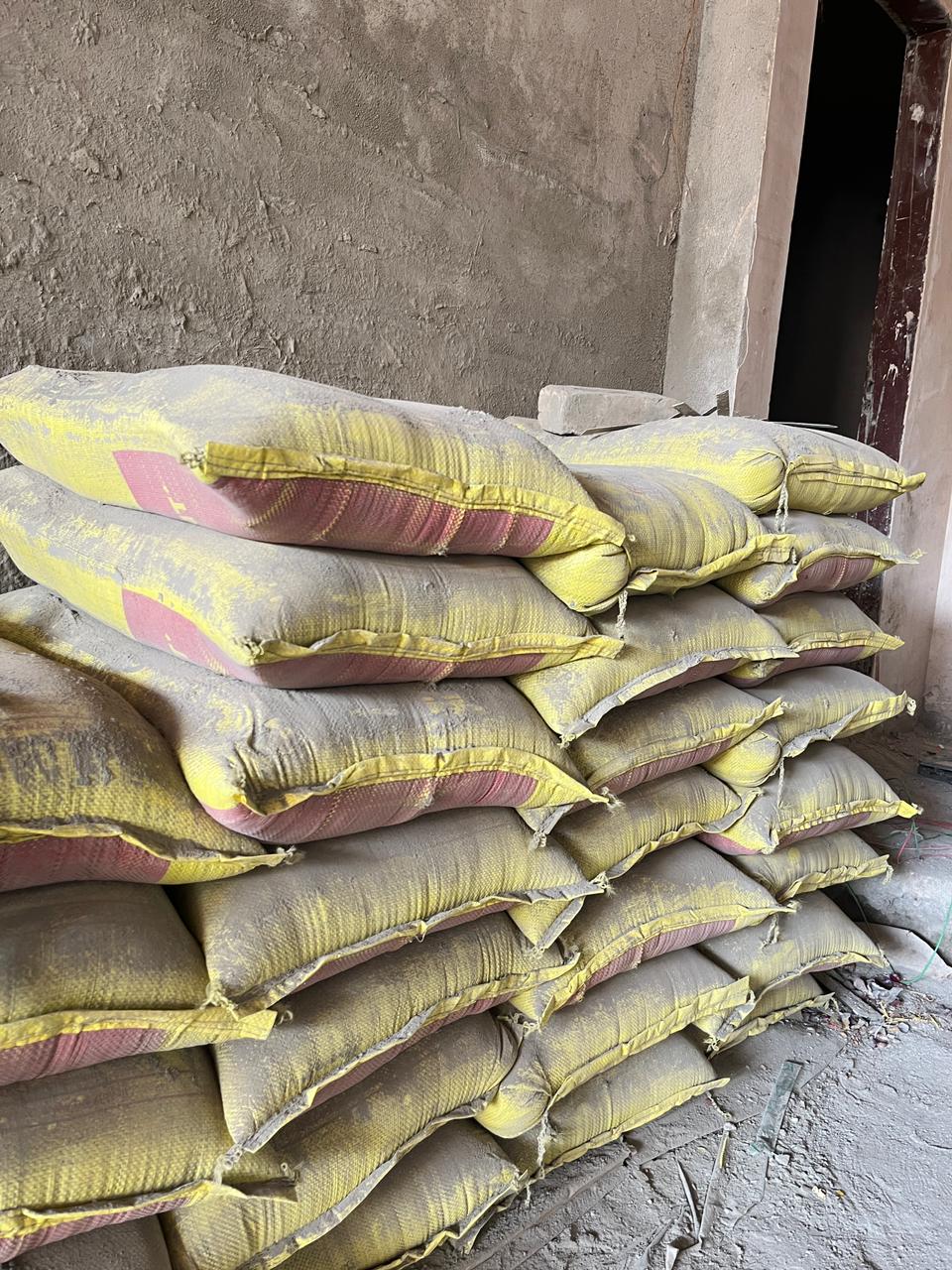

Formwork, reinforcement, and concreting for foundation work High-quality formwork that is straight, tight, and sufficiently braced to hold fresh concrete without deflection is the first step in foundation work. Building Construction Select form materials (wood, steel, or plywood) that can sustain hydrostatic loads in the presence of slurry or groundwater and offer the necessary finish. Building Construction Install the main bars, stirrups, ties, and any shear links in accordance with the structural design, making sure that the concrete cover and spacing are all correct. Building Construction To keep the design cover intact, use chairs and spacers. Concrete mixes must be strong and long-lasting; when possible, use ready-mix. Using vibrators to eliminate voids and solidify the mixture, pour concrete continuously to ensure homogeneity. Take the proper precautions for hot or cold climates: frequent curing and shading in the summer, heated curing or cold weather admixtures in the winter.